65 Broadway SUITE 1004, New York, NY 10006, USA
Most Insurance Accepted
Se Habla Español

4.6 Star Google Reviews

ADVANCED PAIN MANAGEMENT
Long-Lasting Pain Relief Without Surgery
Radiofrequency Ablation (RFA) helps target pain-causing nerves to reduce chronic discomfort in the spine, knees, hips, shoulders, and joints.
Minimally invasive procedure
Long-lasting pain relief
Helps improve mobility
Same-week appointments available
4.5+ Rating
Most- Insurance Accepted
Personalized Treatment Plan
Why Patients Consider RFA Treatment

Reduce Pain and Inflammation

tissue repair and Regeneration

Improve joint function and mobility

Speed up recovery from injuries
Delay or avoid surgery
RFA may help improve comfort, movement, and quality of life for patients dealing with chronic pain.
IS CHRONIC PAIN LIMITING YOUR LIFE?
Pain That Keeps Coming Back May Need Targeted Treatment

Chronic knee or joint pain
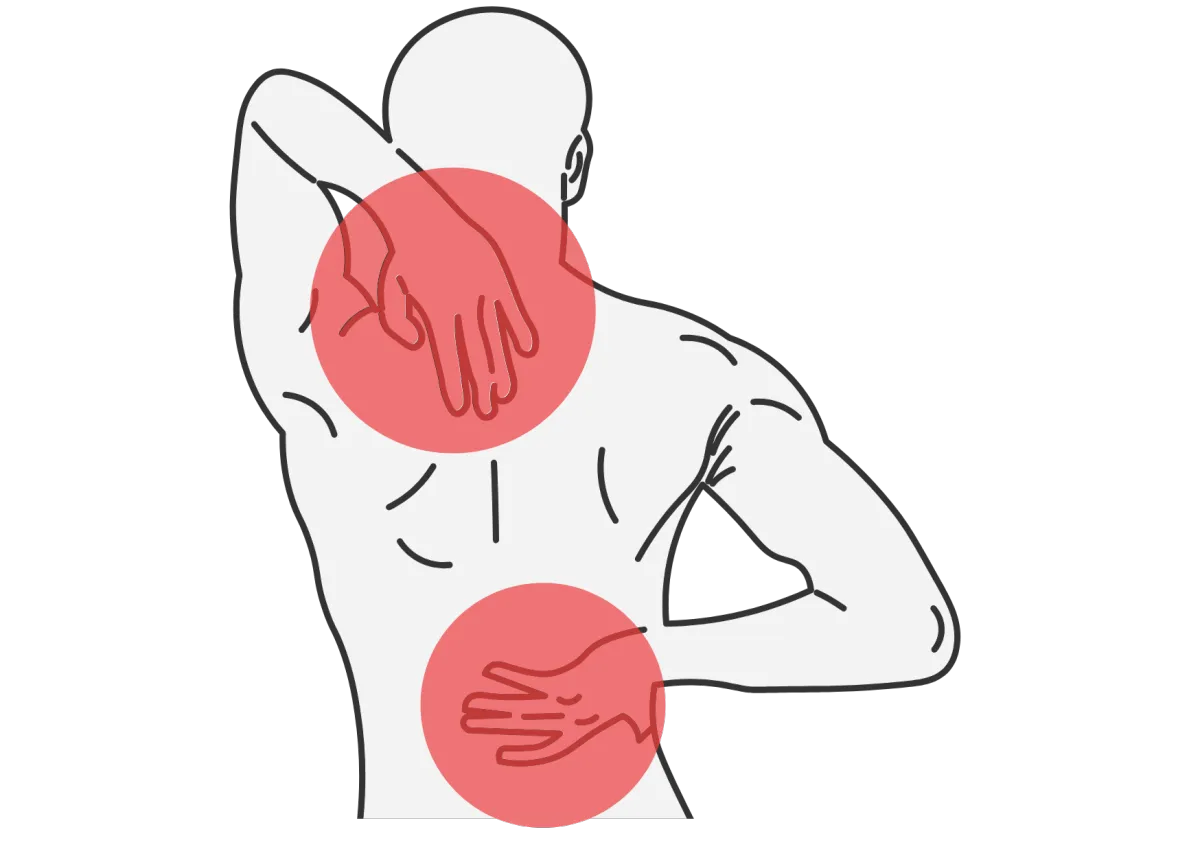
Back pain from disc issues or degeneration

Shoulder injuries or limited mobility

Hip pain affecting movement

Arthritis that continues to worsen

Pain that hasn’t improved with injections or therapy
If temporary relief no longer lasts, RFA may help interrupt pain signals at the source.
What Is Radiofrequency Ablation (RFA)?
Radiofrequency Ablation is a minimally invasive pain management procedure designed to target specific nerves responsible for chronic pain. Using heat generated by radiofrequency energy, the treatment helps interrupt pain signals before they reach the brain.
RFA is commonly used for:
Spine pain
Knee pain
Shoulder pain
Facet Joint pain
Arthritis-related pain
Hip pain
Degenerative joint pain
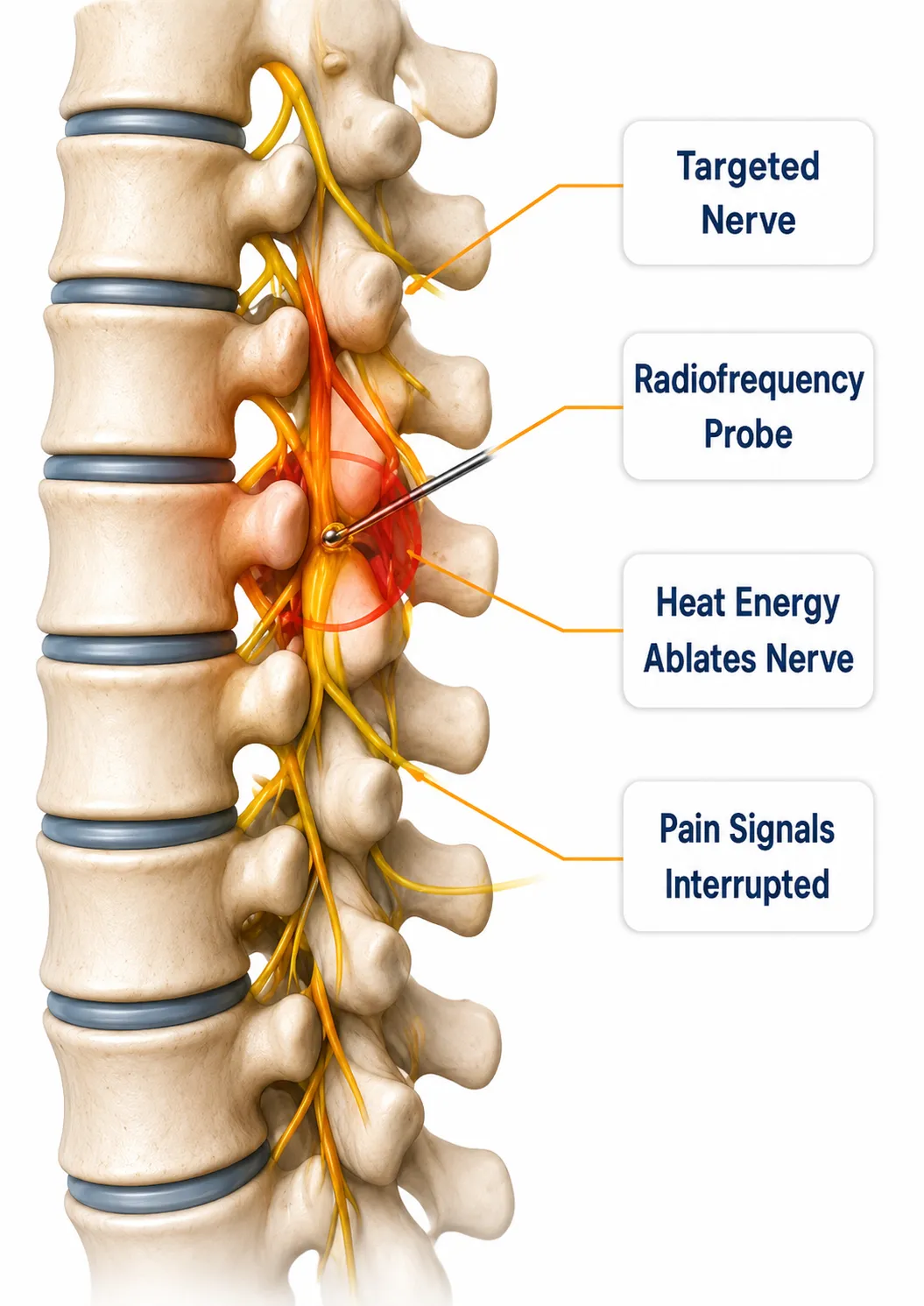
How Radiofrequency Ablation Works

Locate The Pain Nerve
Using advanced imaging guidance, the targeted nerve area is carefully identified.

Deliver Controlled Heat
A specialized needle delivers radiofrequency energy to the nerve.

Interrupt Pain Signals
The nerve’s ability to send pain signals is reduced for longer-lasting relief.
Many patients experience relief lasting several months or longer.
Why Choose Us?

Expert Team
Highly trained specialists providing top-tier care.

Advanced Technology
Latest equipment for safe and effective treatments.

Personalized Care
Treatments tailored to your specific needs.

Proven Results
Thousands of patients experiencing real relief.
"We believe every patient deserves options, hope, and the chance to heal naturally. Our approach isn't just about treating pain — it's about restoring your quality of life."
- NYC Pain MD Team

Imagine Moving Without Constant Knee Pain
Whether it’s walking comfortably, returning to activities, or simply improving your daily quality of life, RFA may help provide longer-lasting relief without surgery.
What to Expect

Consultation
We listen to your concern and medical history.

Evaluation
Advanced imaging and thorough assessments.

Customized Treatment
Personalized plan using best non-surgical options.

Recovery & Progress
Guided support to help you heal and regain mobility.
FAQs
Find Answers to Your Pain Management Questions Here
Is RFA painful?
Radiofrequency ablation (RFA) is generally not very painful. The procedure is performed using local anesthesia and mild sedation, so you will typically feel pressure rather than pain during the process.
Are these treatments safe?
Yes. All of our procedures are FDA-approved or evidence-based, and performed by trained specialists using advanced imaging guidance.
Do you accept insurance?
Most insurance plans are accepted. Coverage depends on your plan and treatment type. Some regenerative therapies (like PRP or stem cells) may be cash-pay only.
How long does pain relief from injections last?
Because radiofrequency ablation (RFA) can treat various conditions—from chronic nerve pain to thyroid nodules and liver tumors—your candidacy depends entirely on your specific diagnosis. Book an appointment right now for consultation.
How long is recovery?
Radiofrequency ablation (RFA) for chronic pain has a quick recovery. You can resume light activities within 24 to 48 hours, though it takes 1 to 3 weeks for the treated nerves to fully die and for the full pain-relief effects to kick in.
Do I need surgery if these don’t work?
Not necessarily. Many patients find lasting relief without surgery. If surgery becomes the best option, our treatments often help delay or reduce the need for invasive procedures.

Don’t Let Knee Pain Control Your Daily Life
Explore advanced non-surgical pain management options designed to help you move more comfortably again.

We help patients in New York City find lasting relief from chronic pain with personalized, non-surgical treatment options.


Quick Links
Contact Us
65 Broadway SUITE 1004, New York, NY 10006, USA
Location

Conveniently located in
Lower Manhattan