65 Broadway SUITE 1004, New York, NY 10006, USA
Most Insurance Accepted
Se Habla Español

4.6 Star Google Reviews

ADVANCED NERVE PAIN TREATMENT
Relief For Chronic Nerve Pain Without Major Surgery
Peripheral Nerve Stimulators use gentle electrical signals to help interrupt pain messages and provide relief for chronic nerve pain, post-surgical pain, and post-amputation discomfort.
Minimally invasive procedure
Drug-free pain management option
Designed for chronic nerve pain
Personalized treatment approach
4.5+ Rating
Most- Insurance Accepted
Same-Week Appointments
WHEN NERVE PAIN DOESN'T GO AWAY
Chronic Nerve Pain Can Affect Every Part Of Life

Burning pain

Tingling sensations

Shooting nerve pain

Pain after surgery
Phantom limb pain

Sensitivity to touch
When nerve pain continues despite medications, injections, or therapy, advanced treatment options may help.
What Is Peripheral Nerve Stimulation?
Peripheral Nerve Stimulation (PNS) is a minimally invasive treatment that uses small implanted devices to deliver gentle electrical signals near specific nerves.
These signals help modify pain communication pathways and may reduce chronic pain without major surgery.
PNS may be considered for patients experiencing:
Chronic nerve pain
Post-surgical pain
Phantom limb pain
Neuropathic pain
Complex regional pain syndrome (CRPS)
Pain that hasn't responded to other treatments

Minimally invasive

Drug-free option
Designed for chronic nerve pain

Personalized treatment
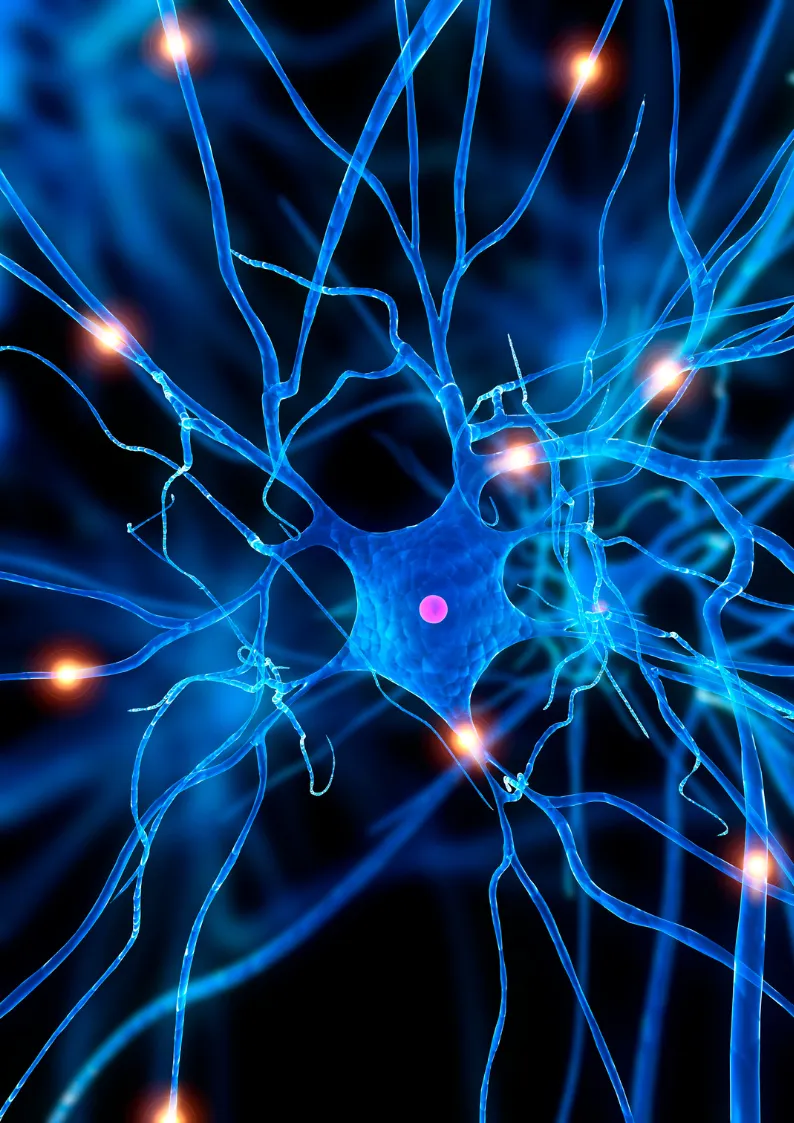
How Peripheral Nerve Stimulators Work

Identify The Pain Source
Advanced evaluation helps identify the nerve involved.

Place The Device
A small stimulator is positioned near the affected nerve.

Deliver Gentle Signals
The device sends mild electrical impulses that help alter pain signaling.
Many patients experience improved comfort and function without major surgery.
Advanced Neuromodulation Options
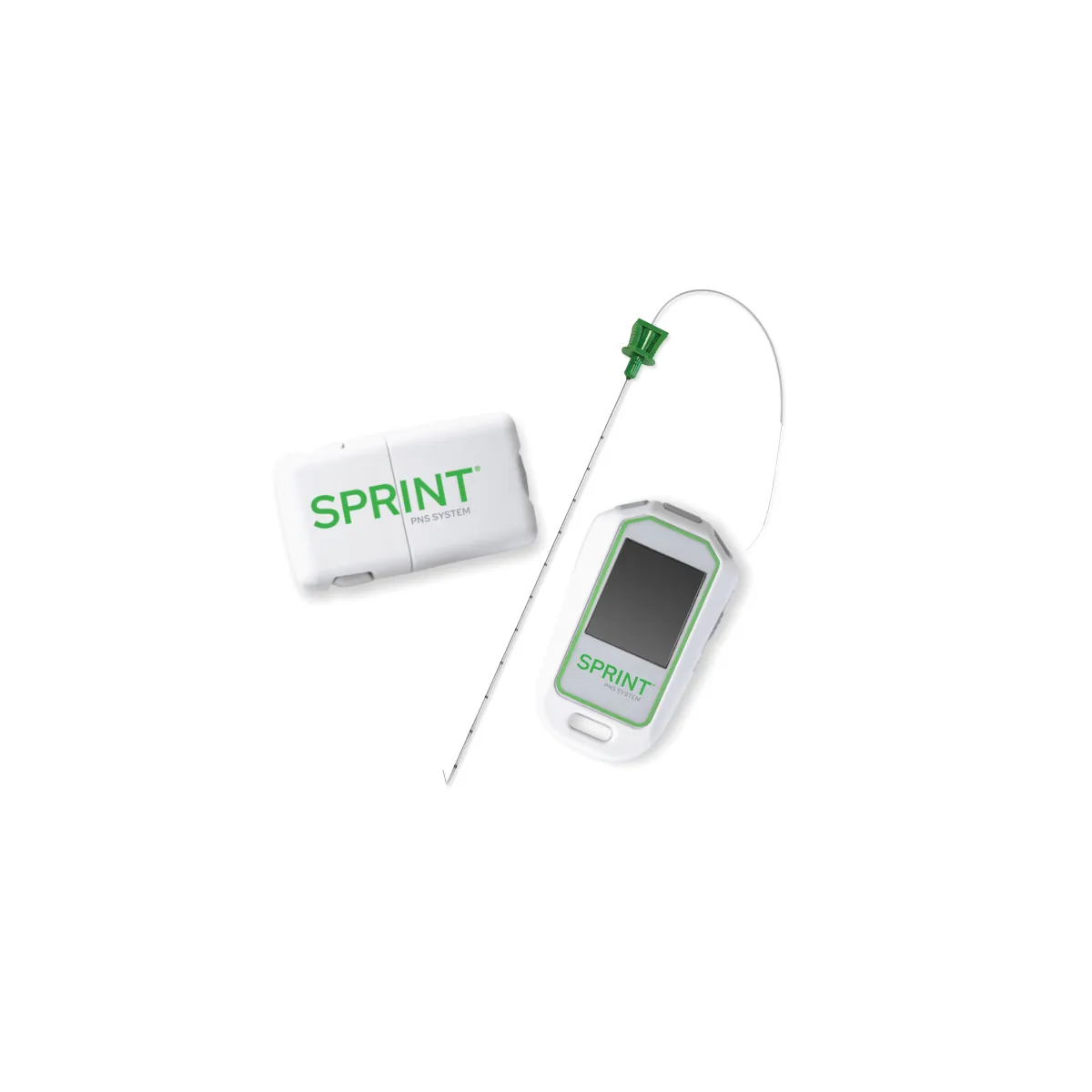
SPRINT® PNS
✔Temporary peripheral nerve stimulation system
✔Designed for targeted nerve pain relief
✔Minimally invasive placement
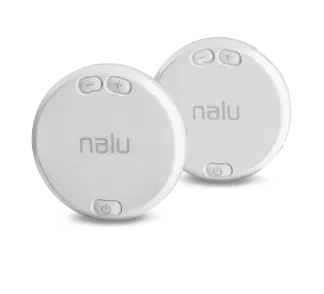
Nalu® PNS
✔Miniaturized neurostimulation technology
✔Long-term chronic pain management option
✔Personalized therapy control
CONDITIONS PNS MAY HELP TREAT

Chronic knee or joint pain
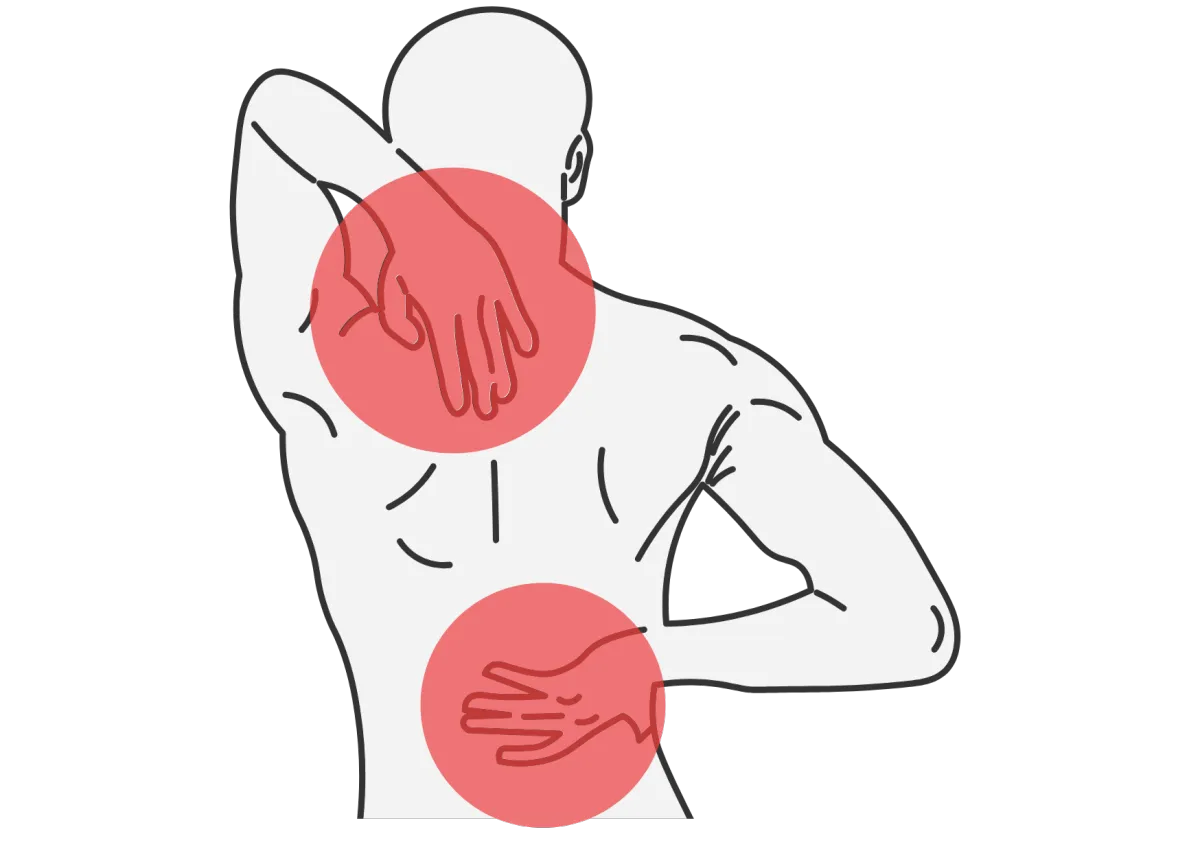
Back pain from disc issues or degeneration

Shoulder injuries or limited mobility

Hip pain affecting movement

Arthritis that continues to worsen

Pain that hasn’t improved with injections or therapy
Why Patients Explore PNS
Minimally invasive

May reduce chronic pain
Drug-free approach

Improve joint function and mobility

Personalized treatment
Outpatient procedure

Supports daily function
Peripheral nerve stimulation may help patients regain comfort and improve quality of life.
What to Expect

Consultation
We listen to your concern and medical history.
Evaluation
Advanced imaging and thorough assessments.

Trial Or Placement
Determine candidacy and treatment plan

Ongoing Monitoring
Track results and optimize therapy
Why Choose Us?
Expert Team
Highly trained specialists providing top-tier care.
Advanced Technology
Latest equipment for safe and effective treatments.

Personalized Care
Treatments tailored to your specific needs.
Proven Results
Thousands of patients experiencing real relief.
"We believe every patient deserves options, hope, and the chance to heal naturally. Our approach isn't just about treating pain — it's about restoring your quality of life."
- NYC Pain MD Team

Take Back Control Of Your Life
Chronic nerve pain can interfere with movement, sleep, work, and daily activities. Peripheral Nerve Stimulation may help you move forward with greater comfort and confidence.
FAQs
Find Answers to Your Pain Management Questions Here
What is Peripheral Nerve Stimulation?
Peripheral Nerve Stimulation (PNS) is a pain management treatment that uses a small electrical device to send gentle electrical pulses to a specific nerve outside the brain and spinal cord. These pulses can help reduce pain signals before they reach the brain.
Is the procedure painful?
Peripheral Nerve Stimulation (PNS) placement is generally not considered very painful, though you can expect some temporary discomfort during and after the procedure.
Do you accept insurance?
Most insurance plans are accepted. Coverage depends on your plan and treatment type. Some regenerative therapies (like PRP or stem cells) may be cash-pay only.
How long does the device stay in place?
The answer depends on the type of Peripheral Nerve Stimulation (PNS) system being used.
Temporary PNS systems
Some modern PNS devices are designed to stay in place for about 60 days (2 months).
During this time:
A thin lead is placed near the target nerve.
The patient wears a small external stimulator.
At the end of treatment, the lead is removed in the clinic.
Many patients are interested in these systems because they are not intended to be permanent implants.
Long-term or permanent PNS systems
Other PNS systems are implanted for long-term use.
In these cases:
The lead remains near the nerve.
A battery-powered stimulator is implanted under the skin or connected to an implanted receiver.
The system can remain in place for years if it continues to provide benefit.
What is the difference between SPRINT and Nalu?
The biggest difference between SPRINT and Nalu is that SPRINT is usually a temporary PNS system, while Nalu is designed as a long-term implanted neurostimulation system.
Do I need surgery if these don’t work?
Not necessarily. Many patients find lasting relief without surgery. If surgery becomes the best option, our treatments often help delay or reduce the need for invasive procedures.

Explore Advanced Solutions For Chronic Nerve Pain
Schedule a consultation to learn whether Peripheral Nerve Stimulation may help improve your comfort, function, and quality of life.

We help patients in New York City find lasting relief from chronic pain with personalized, non-surgical treatment options.


Quick Links
Contact Us
65 Broadway SUITE 1004, New York, NY 10006, USA
Location

Conveniently located in
Lower Manhattan