65 Broadway SUITE 1004, New York, NY 10006, USA
Most Insurance Accepted
Se Habla Español

4.6 Star Google Reviews
PERIPHERAL NEUROPATHY
Relief From Nerve Pain.
A Better Way Forward.
Explore advanced treatment options designed to help relieve burning, tingling, and numbness and restore your quality of life.

15+
Years of Experience
Serving NYC patients

10,000+
Patients Treated
With proven results

4.6-Star Rated
Patient Satisfaction
Across reviews

NYC-Based
Convenient Midtown
Location
Answers first, then a treatment plan
Neuropathy can make simple things, like walking, sleeping, or holding a cup, uncomfortable. At NYC Pain MD, Dr. Jean Jacques Mbabuike combines nerve and small fiber testing with non-surgical treatment options so you can understand what is happening and what can be done about it.
We see patients in Manhattan and across New York City for peripheral neuropathy and other types of nerve pain.
What Is Peripheral Neuropathy?
Peripheral neuropathy occurs when the nerves outside the brain and spinal cord become damaged or stop functioning properly. These nerves help transmit signals that allow you to feel touch, temperature, pain, and movement.
When these nerves are affected, you may experience burning sensations, tingling, numbness, sharp pain, or weakness—often beginning in the feet or hands.
Peripheral neuropathy can develop from diabetes, nerve injuries, vitamin deficiencies, certain medications, or other underlying medical conditions. For some people, symptoms gradually worsen and begin interfering with walking, balance, sleep, and everyday activities.
Although nerve damage can be challenging to manage, identifying its underlying cause and exploring appropriate treatment options may help relieve symptoms, improve function, and support a better quality of life.
Common symptoms:
Numbness or tingling in the feet, legs, hands, or arms
Burning, stabbing, or electric-shock pain
Ligament or tendon injuries
Pins-and-needles sensations
Sensitivity to touch, including light touch from socks or bedsheets
What causes peripheral neuropathy?
Neuropathy has many possible causes, and for some patients no cause is found.
Common ones include:
Diabetes and prediabetes
Chemotherapy and certain other medications
Vitamin deficiencies, such as low B12
Nerve injury or compression
Autoimmune conditions
Infections
Heavy alcohol use
Finding the cause matters, because it shapes the treatment plan.
Peripheral Neuropathy testing
in New York City
Symptoms alone do not always show what type of nerve problem you have. We offer testing to help find out.
TM Flow
A non-invasive screening that takes about 10 to 15 minutes.
It looks at blood flow, autonomic nervous system function, and sweat gland (sudomotor) activity, which can show early changes in the small nerve fibers.
EMG/NCV
Nerve conduction tests measure how quickly and strongly electrical signals travel along your nerves.
EMG checks the electrical activity of your muscles. Together they help show whether nerves or muscles are affected, and where.
Small fiber neuropathy skin biopsy
A tiny skin sample, typically taken from the leg, is examined for the density of small nerve fibers.
It is used when symptoms suggest small fiber neuropathy, which can be missed by standard nerve conduction studies.
Peripheral Neuropathy treatment options
Nerve stimulation:
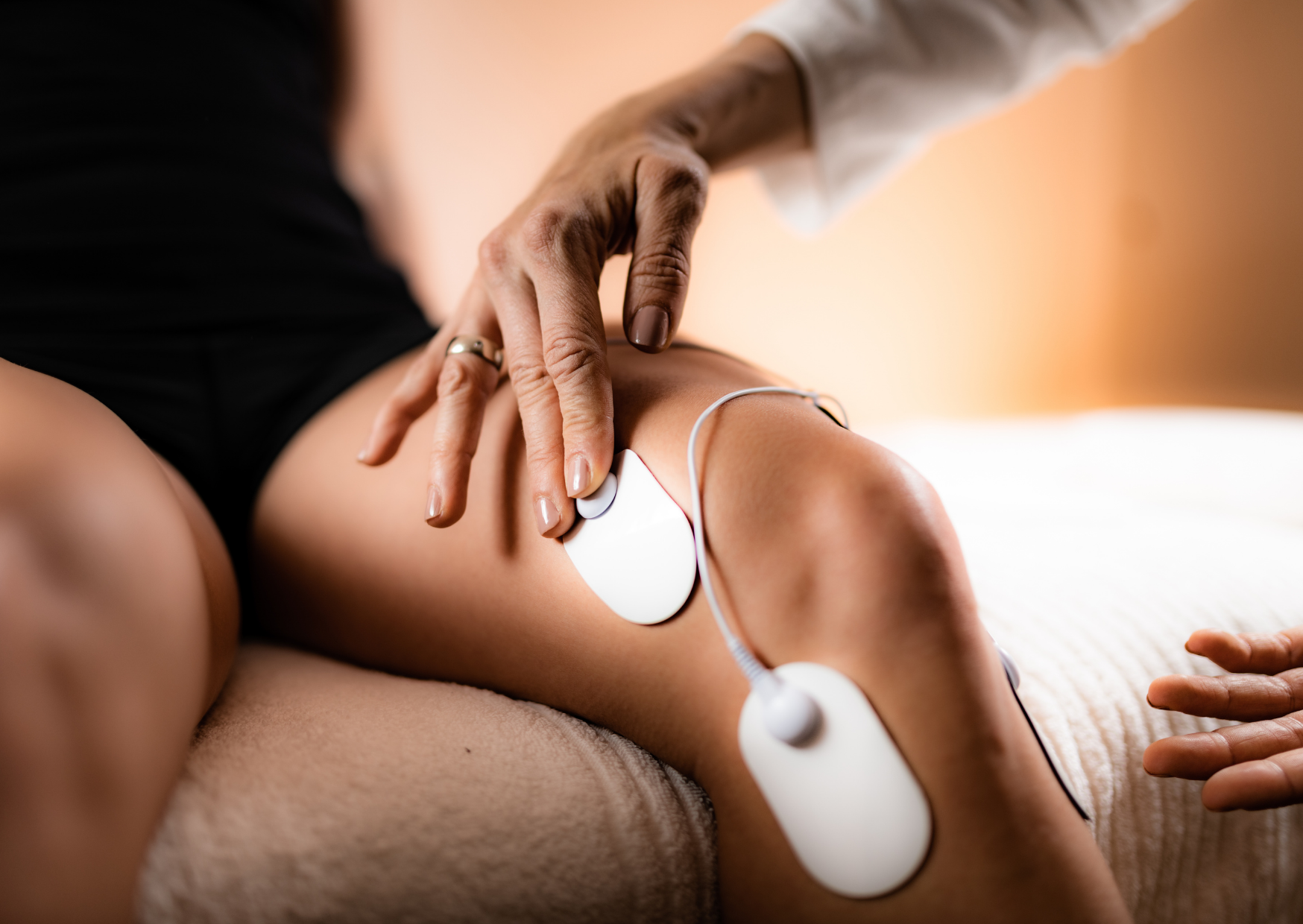
Peripheral Nerve Stimulation
minimally invasive devices for nerve pain or post-amputation pain.

Spinal Cord Stimulation
implantable therapy for severe or widespread pain.
Periauricular nerve stimulation
A non-surgical approach that delivers gentle electrical stimulation at points around the ear to help manage nerve-related pain.
Stimpod therapy
A non-invasive treatment in which a handheld probe is placed on the skin to locate the affected nerve and deliver pulsed radiofrequency and electrical stimulation to it.
Regenerative Medicine Procedures:

PRP Therapy
Uses your body’s natural healing response to repair damaged tissue and reduce pain.

Stem Cell Therapy
Supports tissue regeneration and reduces inflammation for long-term healing.

Exosome Therapy
Delivers concentrated healing signals to reduce inflammation and aid repair.

Supplements
Targeted nutritional support to complement your treatment plan, chosen based on your health history and test results.
Why Choose Us?

Expert Team
Highly trained specialists providing top-tier care.

Advanced Technology
Latest equipment for safe and effective treatments.

Personalized Care
Treatments tailored to your specific needs.

Proven Results
Thousands of patients experiencing real relief.
"We believe every patient deserves options, hope, and the chance to heal naturally. Our approach isn't just about treating pain — it's about restoring your quality of life."
- NYC Pain MD Team

When to see a peripheral neuropathy specialist
Consider a consultation if you have numbness, tingling, or burning that:
Lasts more than a few weeks or keeps coming back
Is getting worse or spreading
Disturbs your sleep or makes walking difficult
Has not improved with your current treatment
Seek urgent medical care if you have sudden weakness, trouble speaking, loss of bladder or bowel control, or numbness that comes on quickly.
What to expect at NYC Pain MD
Consultation and exam:
We review your symptoms, health history, and medications.

Testing:
We recommend the tests that fit your symptoms, such as TM Flow, EMG/NCV, or a skin biopsy.
Personalized plan:
We explain what your results show and the treatment options that match them.
Follow-up:
We track how you are responding and adjust your plan.
FAQs
Find Answers to Your Pain Management Questions Here
What are the first signs of peripheral neuropathy?
Early signs of peripheral neuropathy often include tingling, numbness, burning sensations, or pins-and-needles in the feet or hands. Some people may also experience increased sensitivity, sharp nerve pain, or weakness that gradually interferes with everyday activities.
What causes peripheral neuropathy?
Peripheral neuropathy can result from diabetes, vitamin deficiencies, nerve compression, autoimmune conditions, certain medications, infections, alcohol-related nerve damage, or injuries. In some cases, the cause remains unknown.
Can peripheral neuropathy be reversed or cured?
Some forms of peripheral neuropathy may improve when the underlying cause is identified and treated early. However, nerve damage may be permanent in certain cases. Treatment may help relieve symptoms, prevent further damage, and improve mobility and quality of life.
Does peripheral neuropathy get worse over time?
Peripheral neuropathy may progress gradually, remain stable, or improve depending on its underlying cause. Without appropriate treatment, certain conditions may lead to worsening numbness, pain, weakness, or balance problems.
What treatments are available for peripheral neuropathy?
Treatment depends on the cause and severity of nerve damage. Options may include treating underlying medical conditions, medications for nerve pain, physical therapy, and selected interventional treatments such as neuromodulation. A personalized evaluation can help determine which approaches may be appropriate.
When should I see a doctor for peripheral neuropathy?
You should seek medical evaluation if you experience persistent numbness, burning, tingling, unexplained nerve pain, muscle weakness, or difficulty walking. Early evaluation may help identify the underlying cause and reduce the risk of further nerve damage. Sudden weakness or rapidly worsening symptoms require urgent medical attention.
Ready to find out what is behind your symptoms?
If numbness, tingling, or burning is affecting your daily life, a consultation with NYC Pain MD is a good first step. We will look at the cause and walk you through your options.
Individual results vary. Regenerative medicine treatments, including stem cell, PRP, and exosome therapy, have not been approved by the FDA for the treatment of neuropathy. This page is for general information and is not a substitute for medical advice.

We help patients in New York City find lasting relief from chronic pain with personalized, non-surgical treatment options.


Quick Links
Contact Us
65 Broadway SUITE 1004, New York, NY 10006, USA
Location

Conveniently located in
Lower Manhattan