
Plantar Fasciitis
Causes, Symptoms, and Treatments for Heel Pain
Introduction
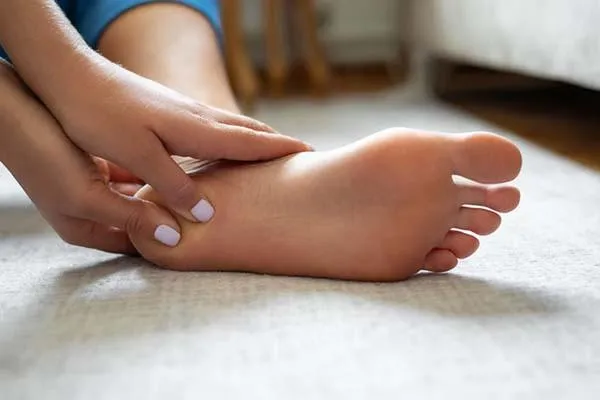
Plantar fasciitis is one of the most common causes of heel pain. It occurs when the plantar fascia, a thick band of tissue that connects your heel bone to your toes, becomes inflamed. This tissue helps support the arch of your foot and absorbs stress when you walk. When too much pressure or strain is placed on it, small tears can form, leading to irritation and pain.
What is Plantar Fasciitis?
Plantar fasciitis is essentially an overuse injury that affects the bottom of the foot. The condition is especially noticeable in the morning when taking your first steps out of bed. Many people describe it as a sharp, stabbing pain in the heel that can make even short walks uncomfortable. While it can improve throughout the day with movement, the pain often returns after long periods of standing or activity.
Common Symptoms
The hallmark symptom of plantar fasciitis is heel pain. However, other signs may include:
Pain that is worse in the morning or after sitting for a long time
Discomfort after exercise rather than during it
Swelling or tenderness in the heel area
Causes and Risk Factors
Plantar fasciitis is usually caused by repeated stress and strain on the plantar fascia. Some common causes include:
Overuse from running or high-impact sports
Wearing shoes with poor support
Having flat feet or very high arches
Tight calf muscles or Achilles tendon
Certain factors increase the risk of developing plantar fasciitis. These include being between the ages of 40 and 60, being overweight, working in a job that requires long hours of standing or walking, and engaging in activities that put extra pressure on the feet.
Treatment Options
The good news is that most cases of plantar fasciitis improve with simple, non-surgical treatments. Some effective methods include:
Rest and Ice: Reducing activity and applying ice packs to the heel to lessen inflammation.
Stretching Exercises: Regular stretches for the calves and plantar fascia can relieve tension.
Supportive Footwear: Wearing shoes with proper arch support and cushioned soles helps reduce stress on the feet.
Orthotics: Custom shoe inserts can provide additional support.
Physical Therapy: A therapist can guide you through strengthening and stretching routines.
Medical Interventions: In severe cases, doctors may recommend injections, shockwave therapy, or even surgery.
Prevention Tips
Preventing plantar fasciitis often comes down to proper foot care. To lower your risk, consider these tips:
Wear shoes with good support and cushioning
Stretch your feet and calves regularly
Avoid walking barefoot on hard surfaces
Maintain a healthy weight to reduce pressure on your feet
Replace worn-out shoes promptly
Conclusion
Plantar fasciitis can be a frustrating and painful condition, but it is also highly treatable. With the right combination of rest, supportive footwear, stretching, and lifestyle changes, most people are able to recover and return to their normal activities. Understanding the causes, symptoms, and treatments is the first step toward healing your heel pain and regaining comfort in your daily life.
Watch the Video Below To Learn More
FAQs
Find Answers to Your Pain Management Questions Here
What types of conditions do you treat?
We treat chronic joint pain, arthritis, back pain, sciatica, neuropathy, tendonitis, and many other musculoskeletal and nerve conditions.
Are these treatments safe?
Yes. All of our procedures are FDA-approved or evidence-based, and performed by trained specialists using advanced imaging guidance.
Do you accept insurance?
Most insurance plans are accepted. Coverage depends on your plan and treatment type. Some regenerative therapies (like PRP or stem cells) may be cash-pay only.
How long does pain relief from injections last?
Relief can last anywhere from a few weeks to over a year, depending on the type of injection and the patient’s condition.
What’s the difference between cortisone, gel shots, and regenerative treatments?
Cortisone: Reduces inflammation, short-term relief.
Gel Shots: Lubricates joints, 6–12 months relief.
Regenerative (PRP, Stem Cells): Supports natural healing and long-term tissue repair.
Do I need surgery if these don’t work?
Not necessarily. Many patients find lasting relief without surgery. If surgery becomes the best option, our treatments often help delay or reduce the need for invasive procedures.